The loads
Responsibilities, fears, decisions, losses, expectations, identity and the need for meaning.
 Faith Engineering
01 — An independent theoretical and editorial project
Faith Engineering, known as IF from its Italian name, applies engineering thinking to the analysis of human interiority, making visible the structures of reliance that support it.
The fundamental questionWhat keeps human beings standing?
Every person lives under load: decisions, responsibilities, fears, losses, the need for meaning and uncertainty about the future.
IF makes visible the structures through which these burdens are supported or transferred, observing how they are built, their load-bearing capacity, their costs, their vulnerabilities and their possible failure.

02 — Faith
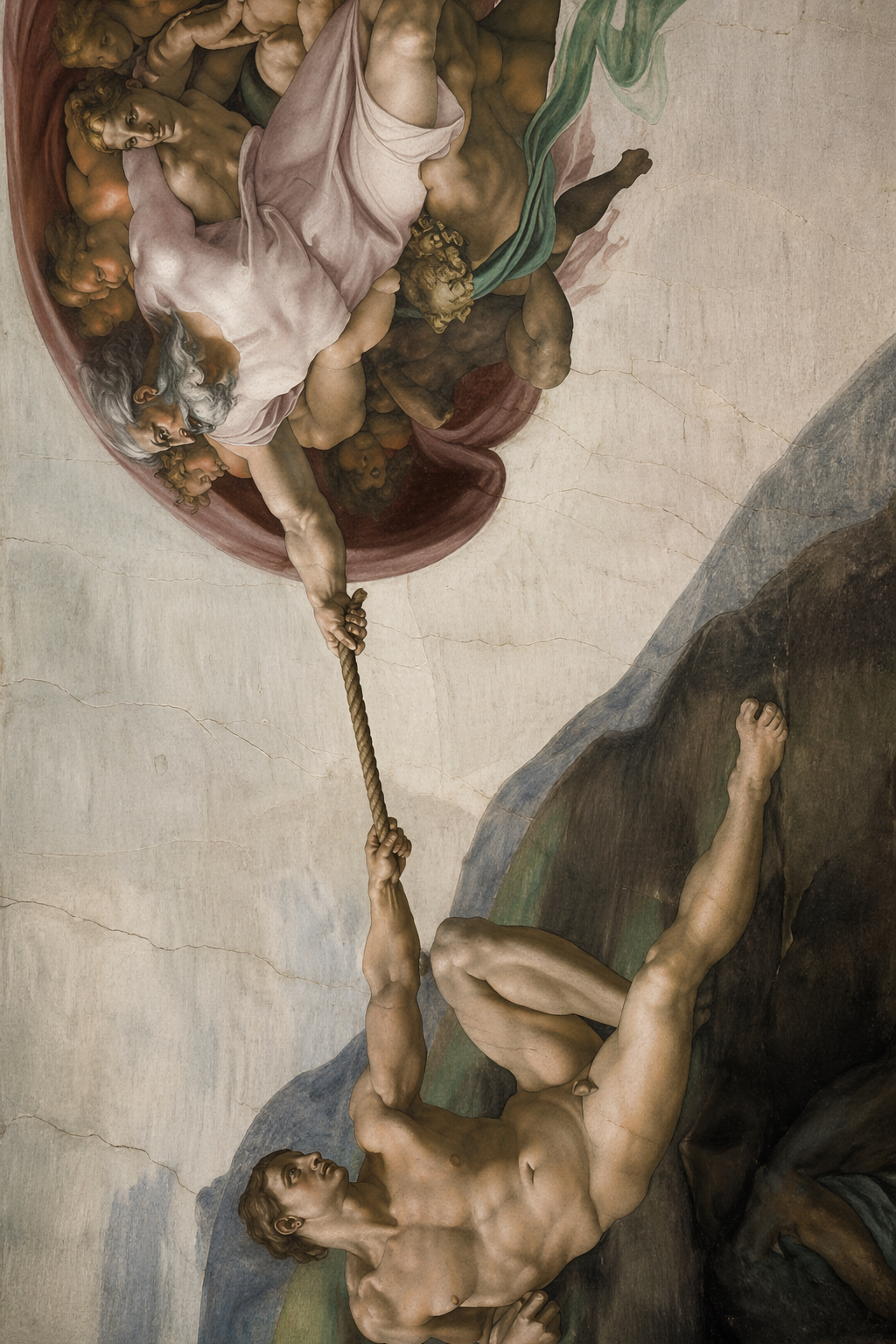
When we say the word faith, we almost always think of religion.
Yet human beings also rely on people, institutions, knowledge, a promise or a worldview.
In all these cases, two fundamental movements can be recognised:
Faith therefore involves reliance, relationship and a form of loyalty, even when what we rely on cannot be entirely verified.
03 — The Inner House model
To observe reliance structurally, IF represents the person through the Inner House model.
Imagine the person as a house subjected to the loads of life.
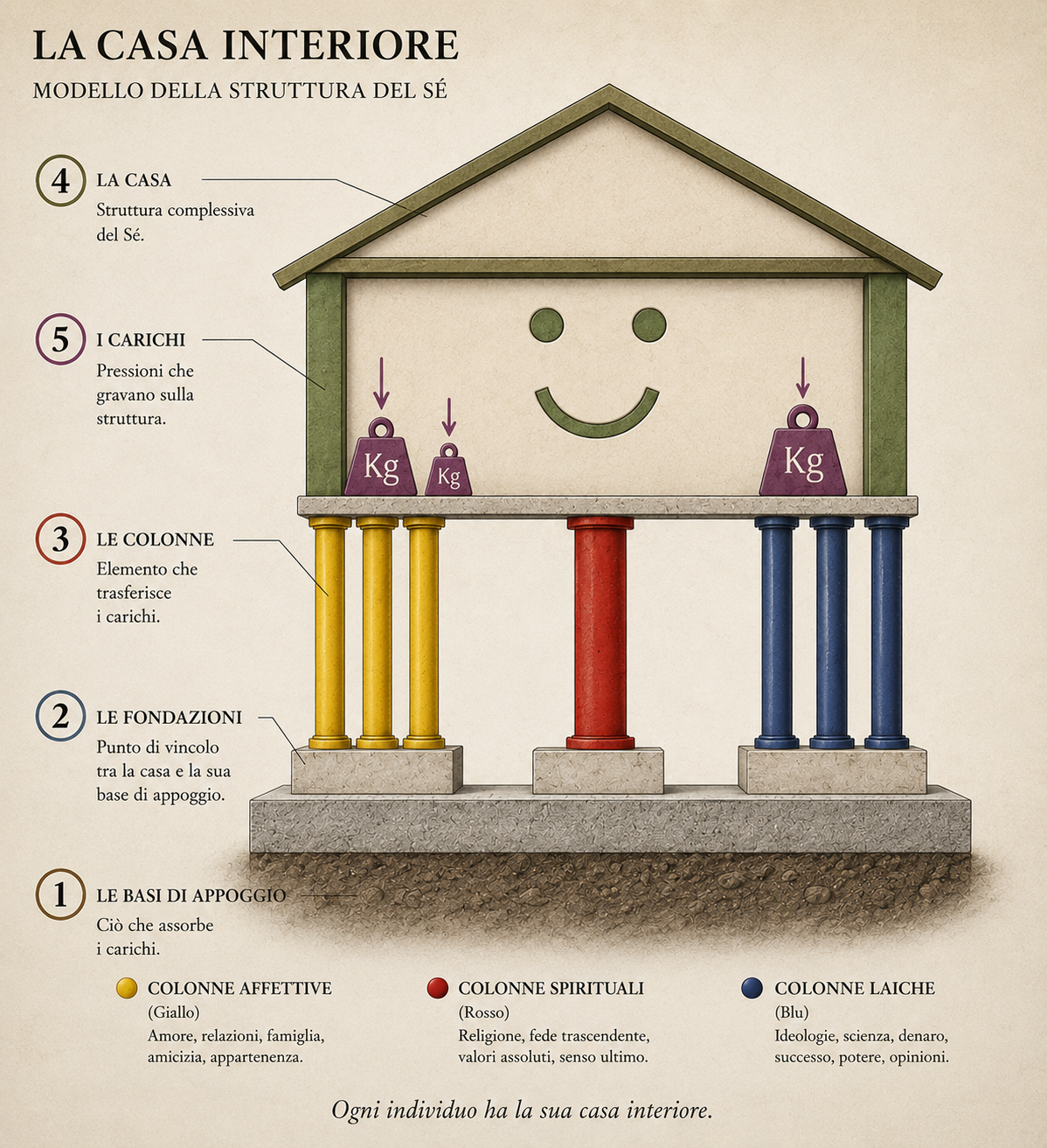
Responsibilities, fears, decisions, losses, expectations, identity and the need for meaning.
People or realities perceived as points of support.
Structures of trust that connect the house to its support bases.
The part of the load supported directly by the individual.
Among the elements of the Inner House, IF focuses on the columns of faith and on the way they transfer loads.
04 — Faith as seen by IF
Within the Inner House, faith is the structure through which the individual transfers existential loads towards a support base perceived as stable.
To have faith means entrusting something important to someone or something considered capable of supporting it: a fear, a decision, an identity, a hope, the need for security or a part of one’s future.
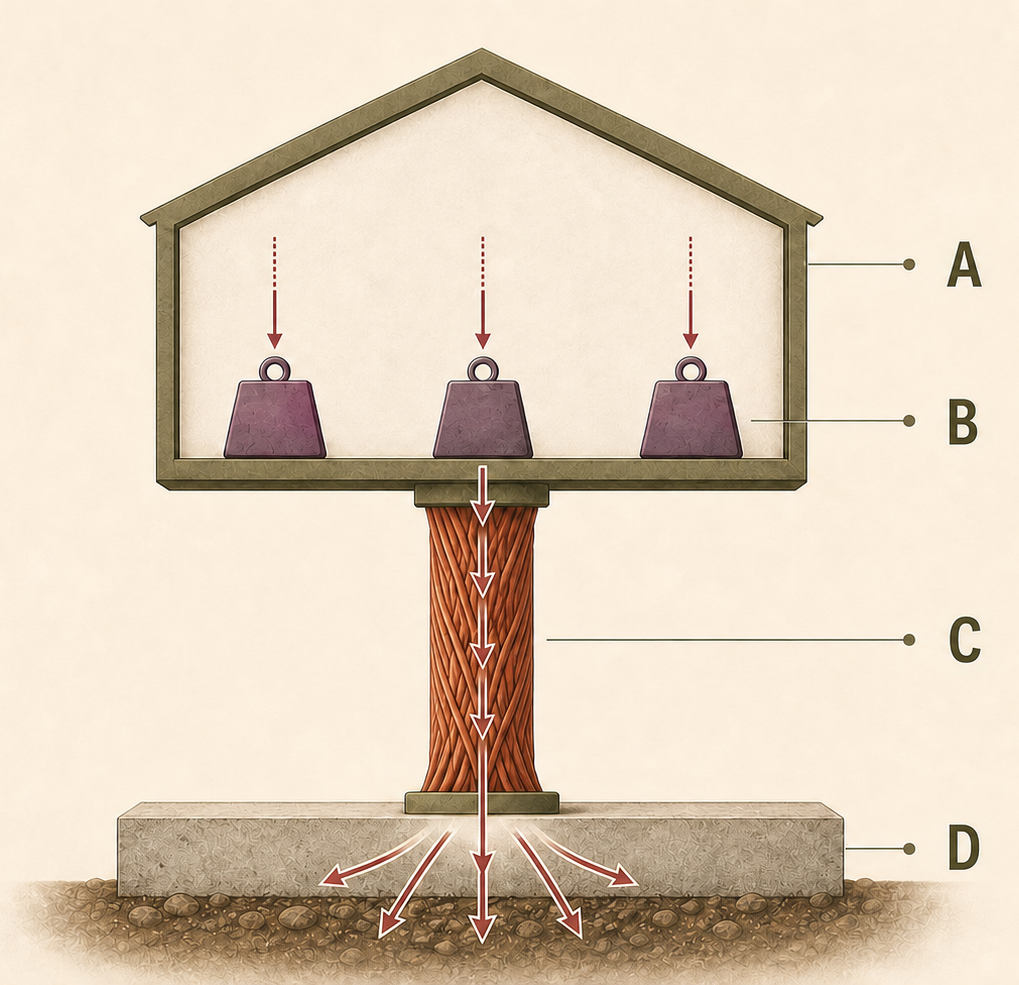
The individual and their identity structure.
The burdens acting upon the house.
The internal element that transfers the load.
That to which the individual entrusts part of their burden.
In the IF model, faith takes the form of a column. The material from which this column is built is trust accumulated over time.
IF observes what that column supports, how much it can bear, what it costs to maintain and where it can fail.
Faith does not exist in the abstract: it is always faith in someone or something.
What the individual relies on constitutes their support base.
05 — The columns
Partners, family, friendship, community and other presences capable of offering closeness and support.
God, the sacred, spiritual practices, ultimate meaning and the paths through which we face suffering and hope.
Work, science, country, politics, engineering, information, economics and institutions.
The model does not claim that these forms of faith are the same. It shows that, while retaining their differences, they can perform a load-bearing function within the Inner House.
06 — The book
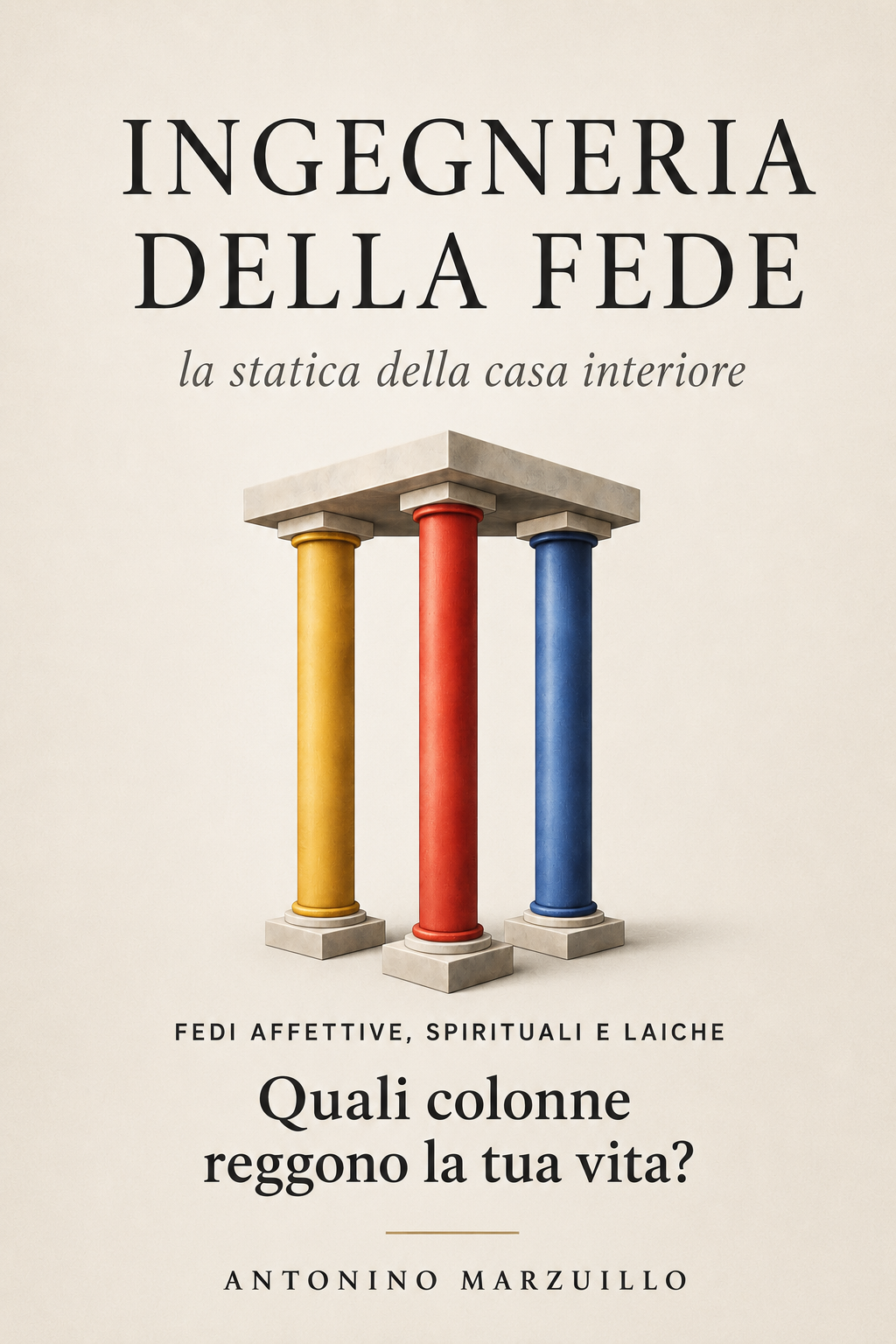
The Statics of the Inner House
Faith Engineering is a lens for observing the structures of human reliance through the Inner House model.
The book explores the model through original observations and true stories — a Mass at three in the morning, a bereavement, a flight through fog — showing how this structure operates in everyone’s life.
This book will not tell you what to believe. It will invite you to recognise the loads you carry, the cracks that have opened and the columns that truly support your life.
The book is also an experiment: an invitation to draw your own Inner House.
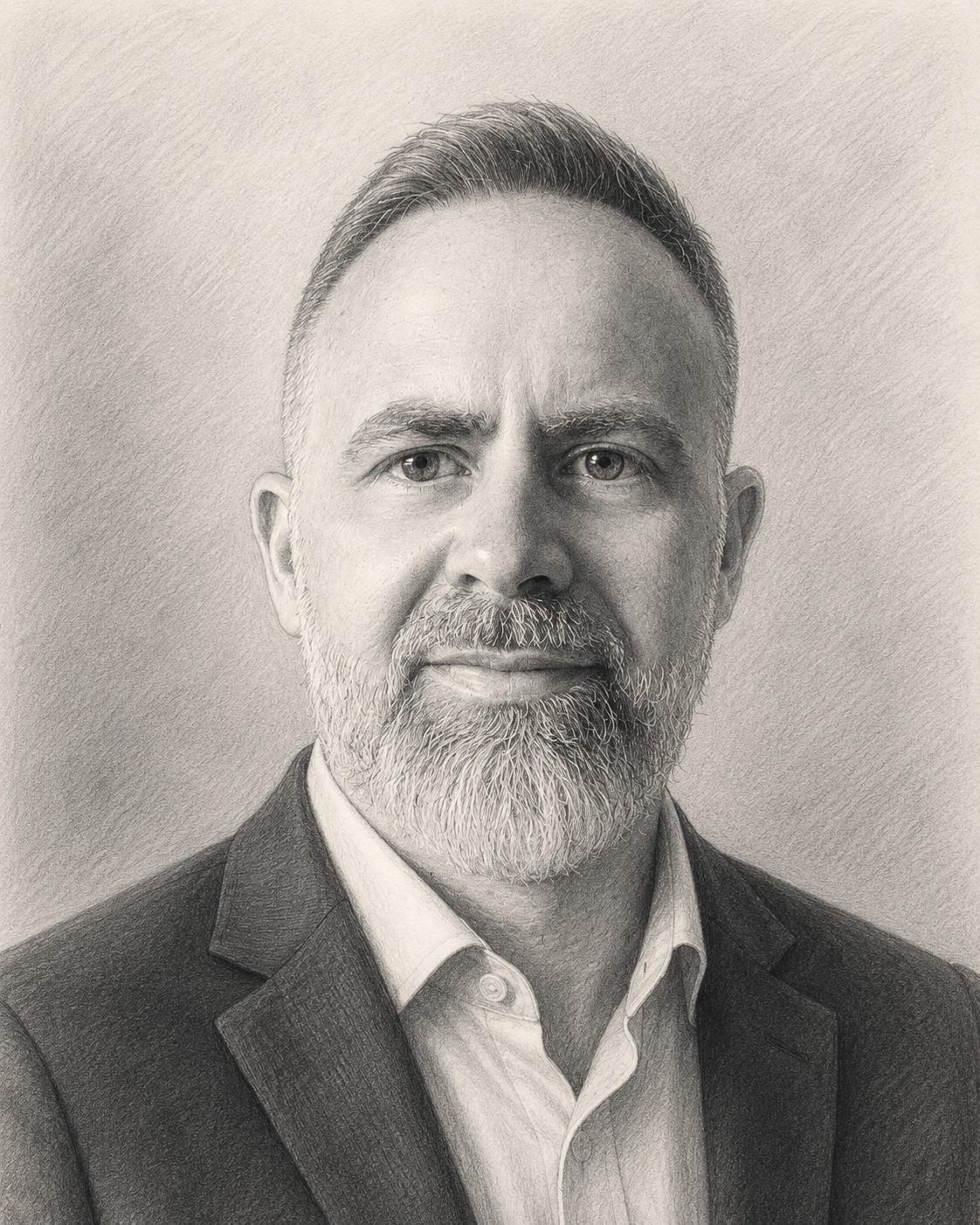
07 — The author
Antonino Marzuillo was born in 1980 on Italy’s Amalfi Coast. He trained in mechanical engineering, developing a way of thinking grounded in the analysis of structures, forces and equilibrium.
After several years working in Italy, he moved to Brazil, where contact with a vibrant social and cultural context marked by sharp contrasts broadened his perspective on the stability and fragility of human systems.
His study of Taoism, Buddhism and Eastern traditions led him to identify a point of contact between two apparently distant languages: what engineering calls structure, Eastern thought describes as balance and harmony.
From this encounter between technical rigour, observation of inner life and the study of spiritual forms came Faith Engineering: a lens capable of recognising common structural functions in apparently different and distant domains.
08 — The worksite remains open
Follow the project, propose a conversation or share what this lens has allowed you to see.